What is ergonomic design? Ergonomic design is the practice of shaping a product around the people who use it: their bodies, their abilities and how they think. An ergonomic product fits the hand, needs little effort, is easy to understand and reduces the risk of strain or injury, so it’s comfortable and safe to use every day.
In the world of industrial product design, aesthetics, functionality, and visual wow factor often take centre stage. However, one crucial aspect that is sometimes overlooked or half-baked is ergonomics. A simple definition for ergonomics is creating products and environments that are optimised for human use, ensuring that they are comfortable, easy to use, and promote good health.
In this blog, we will explore the importance of ergonomics in product design, its key principles, and provide examples of how it can make a significant difference to a business and product’s success.
Understanding Ergonomic Product Design
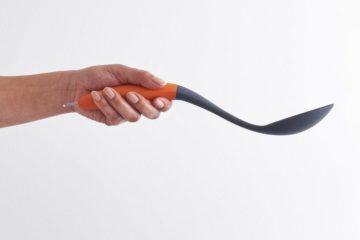
Wondering what ergonomic design is? Ergonomics, also known as human factors engineering, is all about fitting the product to the user, rather than the other way around. It considers the physical, cognitive, and emotional aspects of human interactions with products. The goal is to create designs that reduce user discomfort, stress, and the risk of injury while improving overall satisfaction and performance.
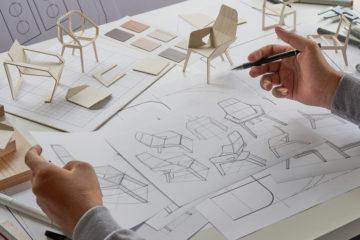
Even the simple chair has progressed in subtle leaps and bounds, with curved backs well placed for varying body sizes, curved and tilted bases for comfortable sitting, and splayed legs to allow tucked legs and increase stability (and thereby safety). Of course, there are examples of great designs throughout history though these were created by expert artisans and craftspeople, whereas now it is becoming by and large the norm across the board.
The Three Types of Ergonomics
Ergonomics (also called human factors) is usually split into three areas. Good product design considers all three.
| Type | Focus | Product example |
|---|---|---|
| Physical | Body size, posture, reach, grip and force | A handle sized to fit most hands without strain |
| Cognitive | Perception, memory and decision-making | Controls that are obvious to use without a manual |
| Organisational | How people, tasks and systems work together | A tool designed for how a work crew actually shares and uses it |
Most product design work centres on physical and cognitive ergonomics: how a product fits the body, and how easily people understand it.
Why Ergonomics Matters in Product Design
Ergonomics is not a finishing touch. It shapes whether a product succeeds.
- Comfort drives loyalty. People return to products that feel good to use and abandon ones that don’t.
- Safety and health. Poor ergonomics causes strain, fatigue and repetitive injuries, especially in tools used for hours at a time.
- Fewer errors. Intuitive products are used correctly, which means fewer complaints, returns and support calls.
- Wider market. Products that work for a broader range of bodies and abilities reach more customers. Our guide to designing accessible and inclusive products goes further on this.
- Competitive edge. When products look similar on the shelf, the one that feels better in the hand wins.
Ergonomics is also a big part of a good user experience: it’s where the physical product and the user’s expectations meet.
Key Principles of Ergonomic Design
1. Anthropometry
Anthropometry is the study of human body measurements. Designers need to consider the variability in human sizes and shapes when creating products. For example, a chair designed for a person of average height may be uncomfortable for someone significantly taller or shorter. Adjustable office chairs that accommodate various body types are a prime example of ergonomic design.
2. Biomechanics
Biomechanics examines how the body moves and functions. Understanding the mechanics of human movement helps designers create ergonomic products that support natural motions. If you really look at a power drill handle, you’ll notice that the handles are almost always angled forward by about 15°, which is the angle at which the wrist sits in a neutral position when gripping an object.
I swear this is the last chair example … well maybe, we’ll see. Some chairs nowadays are taking biomechanics and movement into example, realising that sitting statically in the same position all day isn’t great for our bodies. Whilst we know that exercise balls are not the answer (trust me, don’t be that guy that brings and exercise ball into your office), chairs like the HAG Capisco Saddle Chair promote multiple sitting modes to suit individual preferences and allow the user to change their position throughout the day, allowing them to have a more comfortable and healthy office life.
3. Cognitive Ergonomics
Cognitive ergonomics focuses on how people think, perceive, and process information. User interfaces of electronic devices, such as smartphones and tablets, are designed with cognitive ergonomics in mind. These devices feature intuitive layouts, touch screen responsiveness, and user-friendly interfaces to reduce cognitive load.
Here, understanding and implementing signifiers and affordances is foundational in good design. Signifiers are visual cues guiding product use, like a push or pull sign on a door for example, or a power symbol next to a power button. Affordances are design features suggesting actions, such as a button implying press or a handle implying pull, or a simple texture change guiding people on where to hold a product. Imagine a sleek coffee maker – the display signals brew time (signifier), while the handle knob affords a comfortable grip (affordance). It’s design’s subtle language for seamless interactions.
4. Emotional Design
Emotional design takes into account the emotional response users have when interacting with a product. For instance, the curved and aesthetically pleasing design of a smartphone not only makes it visually appealing but also evokes positive emotions, which can enhance the user experience.
Examples of Ergonomic Design
1. Computer Keyboards
Typing for extended periods can strain the wrists and hands. Ergonomic keyboards are designed with a split layout and angled keys to reduce wrist discomfort and minimise the risk of conditions like carpal tunnel syndrome. They promote a more natural hand posture while typing.
2. Automobile Interiors
The design of car interiors has evolved significantly to improve ergonomics. Features like adjustable seats, steering wheel positions, and control placement are optimised for user comfort and safety. Arm rests, leg room, and cushioned seat wings have also been increasing in popularity in recent years.
3. Digital Cameras
Many consumer and high-end cameras have ergonomic grips for single-hand use. The grip contours to your hand, providing a comfortable and secure hold during extended photo sessions. The strategically placed buttons and dials act as intuitive affordances also, allowing photographers to make quick adjustments without taking their eyes off the shot. This ergonomic approach not only enhances user experience but also reduces fatigue, ensuring that capturing the perfect moment is a comfortable and enjoyable process.
The Business Benefits of Ergonomic Design
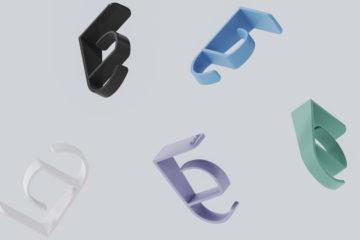
Ergonomics in design not only benefits users but also offers several advantages for businesses. Creating user-friendly products can lead to increased customer satisfaction and loyalty. Fewer user complaints and returns result in cost savings and a positive brand image. Additionally, ergonomic designs can enhance employee productivity, reduce workplace injuries, and lower healthcare costs for companies. Many companies now are using 3D printing to create ergonomic jigs for manufacturing, which allow employees to work safer when doing repetitive tasks.
Ergonomic design is a critical consideration in creating user-friendly products. By understanding and implementing principles like anthropometry, biomechanics, cognitive ergonomics, and emotional design, designers can enhance the comfort, efficiency, and satisfaction of users.
From office chairs and computer keyboards to car interiors and mobile devices, ergonomic design plays a significant role in improving the quality of everyday products and, in turn, the lives of their users. It’s a win-win for both users and businesses, making ergonomics an indispensable aspect of modern product design.
How we Design Ergonomics into a Product
At Dienamics, ergonomics starts on day one, not after the CAD is finished. Our process typically looks like this:
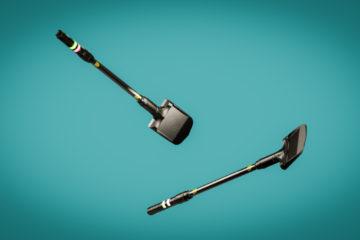
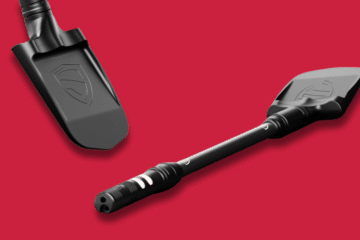
- Understand the user and the task. Who will use the product, where, for how long, and with what? A tool for a mine site, used with heavy gloves, is a very different brief from a medical device used at home.
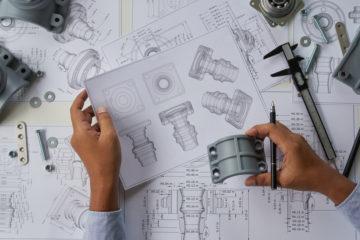
- Gather the right data. We use anthropometric data and existing standards to set key dimensions such as grip size, reach and button spacing.
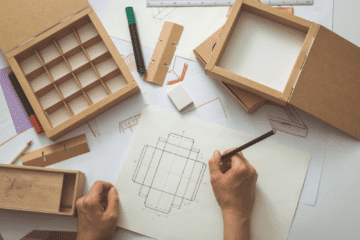
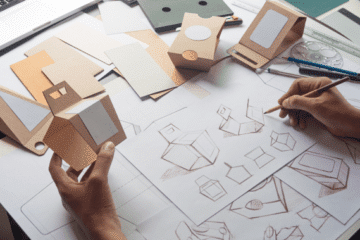
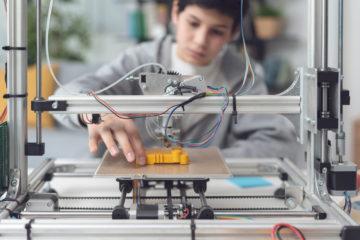
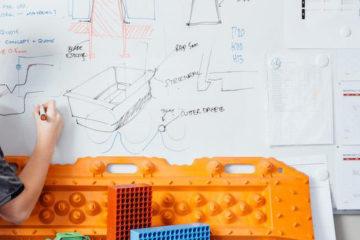
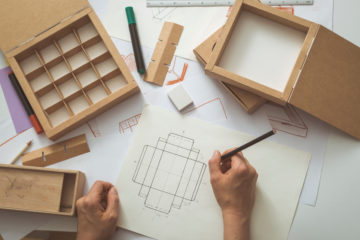
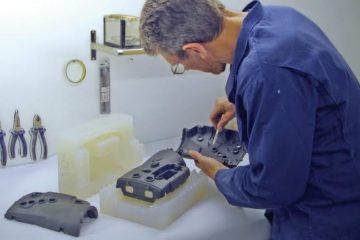
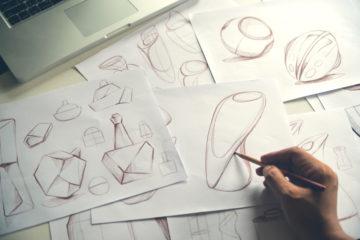
- Sketch and model early. Rough foam and 3D printed prototypes let people hold the product within days, long before tooling.
- Test with real people. We put models in users’ hands and watch how they actually use them. Our post on testing in product design explains why this step saves so much money later.
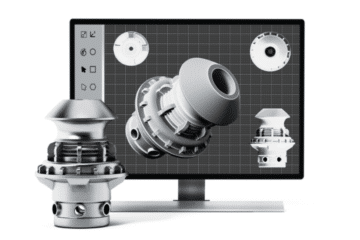
- Refine and design for manufacture. Grip textures, soft-touch overmoulding, wall thickness and part splits are worked out together, so the ergonomic design can actually be moulded at a sensible cost.
Because our designers, toolmakers and moulders work under one roof, the comfort that’s tested in the prototype carries through to the production part.
Designing a Product?
If you’re developing a product that people will hold, wear or operate every day, ergonomics will shape its success. Talk to our product design team in Brisbane, or our teams serving <Sydneyand Melbourne.
Ergonomic Design FAQs
What is ergonomics in design?
Ergonomics in design means shaping a product, space or system around human needs: body size, strength, posture and how people think, so it is comfortable, efficient and safe to use.
Why is ergonomics important in design?
Ergonomic products are more comfortable, cause less strain and injury, are easier to use correctly and appeal to more people. That leads to happier customers, fewer returns and stronger sales.
What’s the difference between ergonomics and anthropometrics?
Anthropometrics is the measurement of the human body, such as hand length or shoulder height. Ergonomics uses that data, along with knowledge of movement and behaviour, to design better products.
How do you make a handle ergonomic?
Size it to fit the intended range of hands, shape it to keep the wrist straight, add a comfortable, non-slip surface, and make sure it works with gloves if users will wear them.
How do you test a product’s ergonomics?
Build early physical models, give them to real users and watch them perform real tasks. Ask about comfort, but trust what you observe; people often adapt to poor designs without complaining.

Subscribe to Our Newsletter
Get the latest news from Dienamics into your inbox