Industrial design sits at the intersection of creativity and engineering. You’re not just making things look good, you’re figuring out how they work, how they’re made, and how real people will use them. If that sounds like your kind of problem to solve, a career in industrial design might be exactly what you’re looking for.
The industry in Australia is in good shape. Demand for locally designed and manufactured products has grown steadily, and companies are increasingly investing in design earlier in the product development process rather than treating it as an afterthought. For designers with both creative and technical skills, the timing is good.
What does an industrial designer actually do?
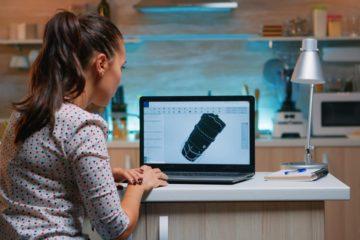
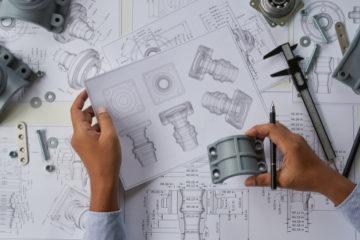
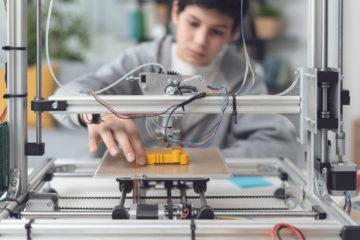
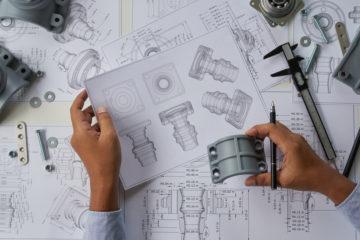
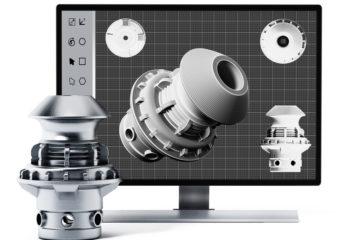
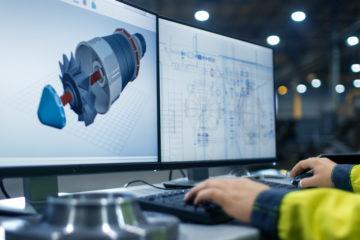
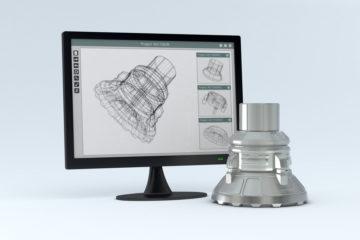
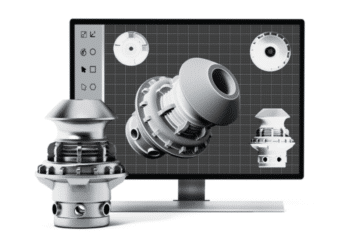
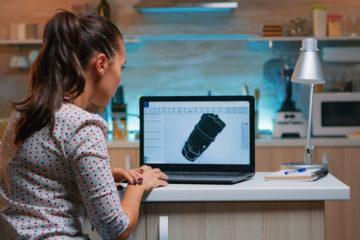
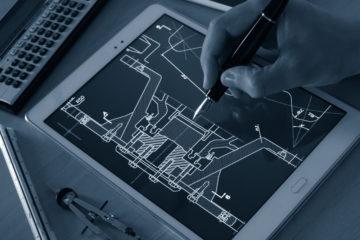
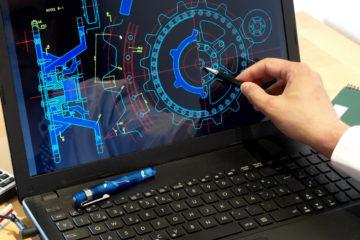
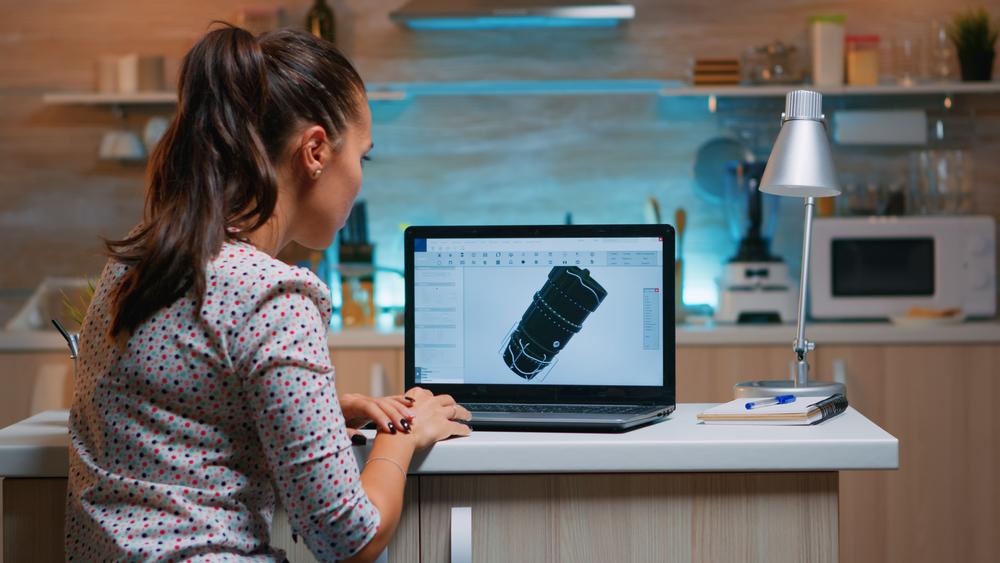
The day-to-day varies a lot depending on where you work, but most industrial designers spend their time across a mix of the following: developing product concepts from a brief, building and refining CAD models, working with engineers and manufacturers to make sure a design can actually be produced, presenting ideas to clients, and testing prototypes to see what works and what doesn’t.
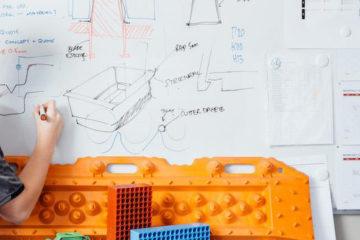
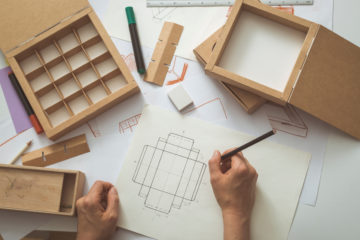
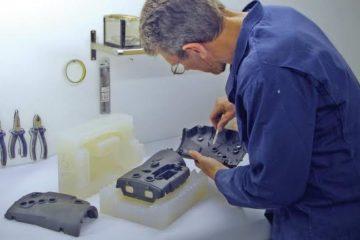
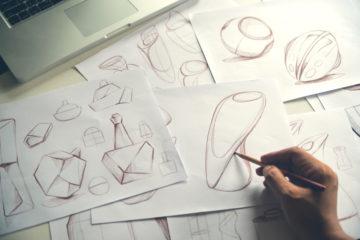
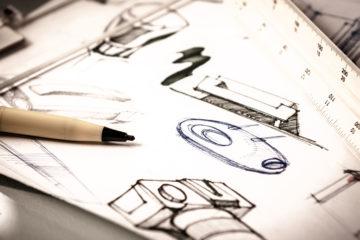
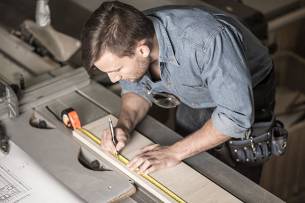
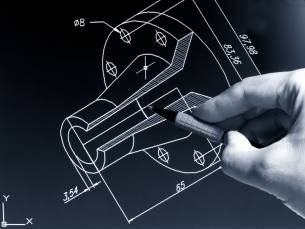
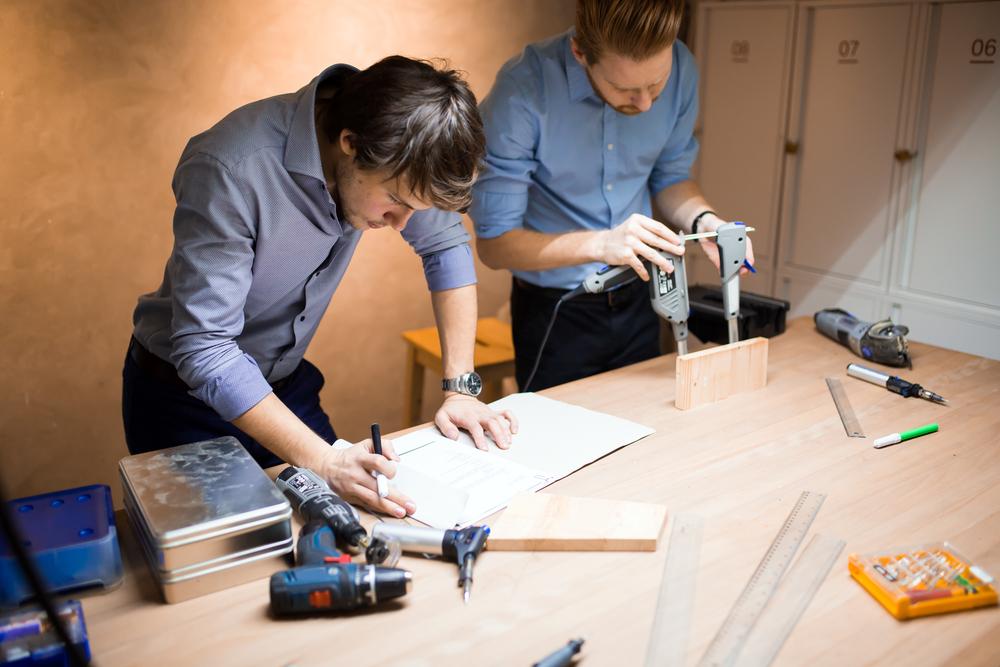
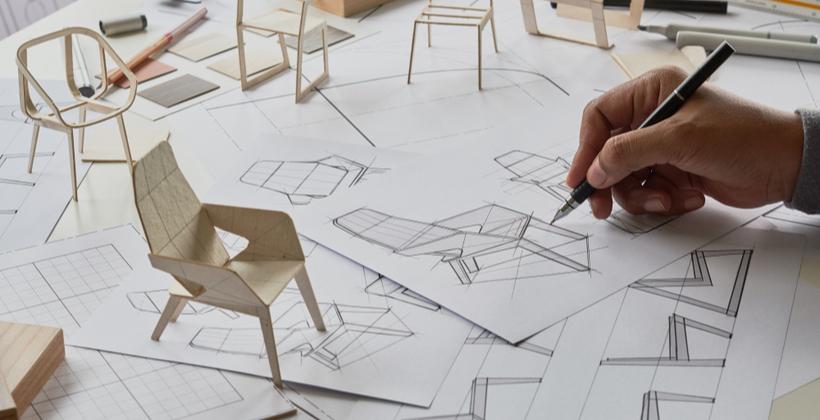
What makes the role interesting is that you’re rarely just sitting at a computer. One day you might be sketching concepts by hand, the next you’re in the workshop reviewing a prototype, and the day after that you’re presenting to a client who needs to understand why a design decision matters. The job asks a lot of you, but it gives a lot back.
How to get qualified
Most industrial designers in Australia hold a bachelor’s degree. In Queensland, two of the main pathways are the Bachelor of Industrial Design at Griffith University and the Bachelor of Design (Industrial Design) at QUT. Both programs cover the technical and creative foundations you’ll need, and both have strong industry connections.
That said, a degree alone won’t get you very far. The designers who stand out when they’re job hunting are the ones who’ve spent time in the industry before they graduate, not just studying it.
Getting real-world experience
This is the part most career guides skip over, so it’s worth being direct about it: employers in this industry care a lot about what you’ve built, who you’ve worked with, and whether you understand how a real design studio operates. A strong portfolio with industry exposure will open more doors than a distinction average.
The best thing you can do while you’re still studying is find part-time work at a design or manufacturing company. It doesn’t have to be a design role. Working in the office or on the workshop floor teaches you things about materials, processes, and professional expectations that you simply can’t get in a classroom.
Internships are equally valuable, paid or unpaid. They give you a sense of what it’s like to work on real projects with real constraints: budgets, timelines, client feedback, manufacturing limitations. These are the things that separate a student project from a commercial product, and experiencing them firsthand accelerates your development faster than anything else.
What can you specialise in?
Industrial design covers a wide range of product categories, and most designers eventually develop a focus area. Some of the most in-demand specialisations in Australia include:
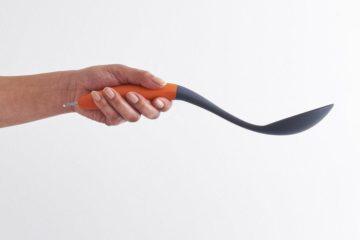
Consumer products covers everything from kitchen appliances to sporting goods. It’s high-volume, highly competitive, and a great training ground for understanding what makes a product succeed or fail in the market.
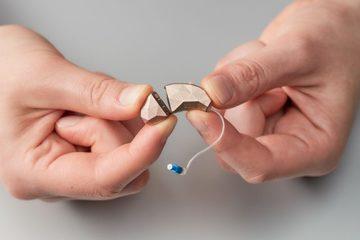
Medical and assistive devices is a growing area, particularly as Australia’s population ages. Design work in this space requires close collaboration with clinical and engineering teams and carries real responsibility, as these products affect people’s lives directly.
Industrial and heavy equipment design involves products used in mining, agriculture, and construction. It’s less glamorous than consumer goods but technically demanding and often well-paid.
Furniture and interior products suits designers with a strong aesthetic sensibility and an interest in materials. Australia has a healthy furniture design scene, particularly in Queensland and Victoria.
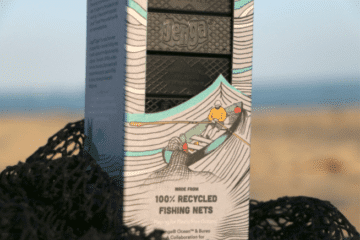
Sustainable product design is increasingly a specialisation in its own right. Designers who understand lifecycle analysis, recycled materials, and designing for disassembly are sought after as companies face greater pressure to reduce their environmental footprint.
What it’s like working at a product design studio
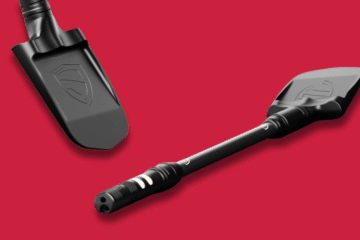
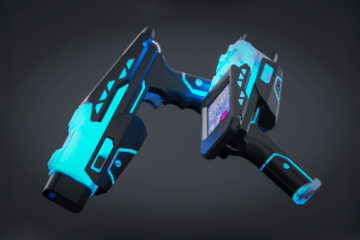
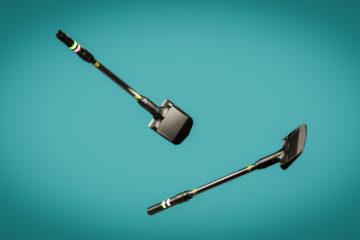
At Dienamics, our designers work across the full product development cycle, from the first sketch to the finished, manufactured product. That breadth is what makes the work rewarding. You’re not just handing off a CAD file and walking away. You’re involved in prototyping decisions, manufacturing conversations, and the problem-solving that happens when a design meets the real world.
We’re based in Brisbane and have been designing and manufacturing products for over 40 years. The projects we work on span consumer products, industrial equipment, medical devices, and more, so no two months look the same.
If you’re studying industrial design and want to get a feel for what the industry looks like in practice, we’re always happy to have a conversation. Internship and graduate enquiries are welcome. Reach out to our team to find out what’s available.
Subscribe to Our Newsletter
Get the latest news from Dienamics into your inbox