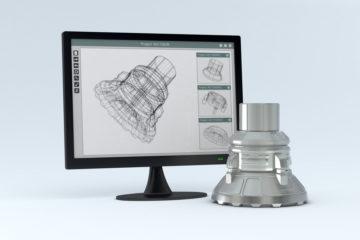
What is zinc die casting? Zinc die casting is a manufacturing process that injects molten zinc alloy into a hardened steel mould (a “die”) under high pressure. The metal fills the cavity, cools in seconds, and is ejected as a precise, near-finished part. It’s used to make strong, detailed metal parts in high volumes.
If you’ve ever opened a car door, turned a tap or zipped up a jacket, you’ve used a zinc die cast part. Die casting has been around since 1838, when it was first used to cast printing type, and the first die casting patent followed in 1849. Today, zinc is one of the most popular die casting metals because it’s easy to cast, finishes beautifully and lets a single tool produce huge numbers of identical parts.
This guide covers how the process works, which zinc alloy to choose, the real pros and cons, how zinc compares with aluminium and plastic, and how to design a part that casts well. It’s written for product owners and engineers deciding whether die casting suits their next product.
How the zinc die casting process works
Most zinc parts are made on a hot-chamber die casting machine. The injection system sits inside the pot of molten metal, so each shot is fast and the metal stays at a steady temperature. Zinc alloys melt at around 380 to 390°C, far lower than aluminium, which is why the hot-chamber method works so well for them.
1. Preparing the die
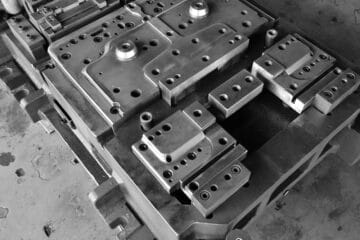
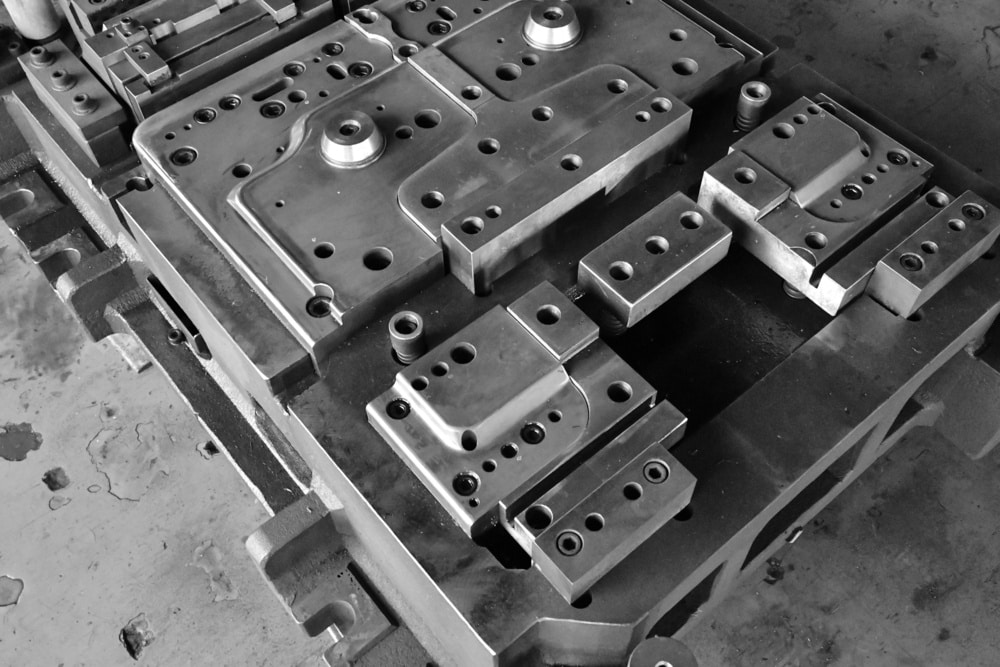
The die is a two-part steel tool machined with the shape of your part. Before each shot it’s sprayed with a release agent and clamped shut under high force.
2. Injecting the metal
A plunger drives molten zinc through a gooseneck channel and into the die cavity under high pressure. The cavity fills in milliseconds, which is how zinc captures fine detail and thin walls.
3. Cooling and ejection
The metal solidifies in a few seconds. The die opens and ejector pins push the casting out. Cycle times are short, so one machine can produce hundreds of parts an hour.
4. Trimming and finishing
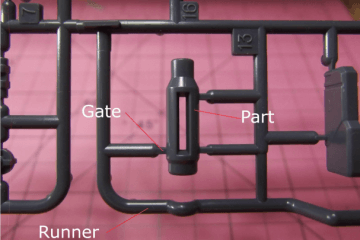
Excess metal from the runners and overflows is trimmed off and remelted, so very little zinc is wasted. Parts can then be machined, polished, plated, powder coated or painted.
The stronger, high-aluminium ZA-12 and ZA-27 alloys are the exception: they’re cast in cold-chamber machines, where metal is ladled into the shot sleeve for each cycle.
Zinc alloys for die casting: Zamak and ZA
Pure zinc is rarely die cast. Instead, manufacturers use zinc alloys with small amounts of aluminium, copper and magnesium. They fall into two families: Zamak (about 4% aluminium) and ZA alloys (8 to 27% aluminium).
| Alloy | What it’s known for | Typical use |
|---|---|---|
| Zamak 3 | The all-rounder: good strength, excellent castability, stable dimensions | Most general parts; the default choice |
| Zamak 5 | About 1% copper adds strength and hardness, with slightly less ductility | Parts under higher load, such as hardware and automotive brackets |
| Zamak 2 | Highest strength and hardness of the Zamaks; more prone to ageing | Wear parts and bearings |
| Zamak 7 | Higher purity and better fluidity | Thin-walled parts and fine detail |
| ZA-8 | Higher strength; can still be hot-chamber cast | Structural parts that need more strength than Zamak |
| ZA-12 / ZA-27 | Highest strength and lightest of the zinc alloys; cold-chamber cast | Heavy-duty and bearing applications |
If you’re unsure, start with Zamak 3. It suits most consumer and industrial parts and is the alloy most die casters keep in stock. For detailed alloy data, the International Zinc Association’s die casting site is a good reference.
Advantages of zinc die casting
Zinc is popular for a reason. Here’s what it does well.
- Fine detail and thin walls. Zinc flows easily, so it fills small features, sharp text and walls under 1 mm that other metals struggle with.
- Long tool life. Because zinc casts at a low temperature, the die suffers less heat stress. Zinc dies often last over a million shots, many times longer than aluminium dies, which lowers your cost per part.
- Fast production. Short cycle times and hot-chamber casting mean high output and lower unit costs at volume.
- Near-net shape. Parts come out close to final size with tight tolerances, so there’s little or no machining.
- Excellent finishing. Zinc takes chrome, nickel and other platings very well, along with paint and powder coat. That’s why it’s used for visible hardware like tapware and handles.
- Strong and tough. Zinc alloys have good impact strength and stiffness, far higher than engineering plastics.
- Recyclable. Trimmed metal and old parts can be remelted without losing quality.
Limitations of zinc die casting
Zinc isn’t the right answer for every part. Weigh these limits before you commit.
- Weight. Zinc alloys are about 2.5 times heavier than aluminium. For large or portable parts, that extra mass matters.
- Heat. Standard Zamak alloys lose strength and can slowly deform (creep) under load at elevated temperatures. They aren’t suited to parts that run hot for long periods.
- Upfront tooling cost. Hardened steel dies are a significant investment. Die casting pays off at volume, not for a few hundred parts.
- Size. Zinc is best for small to medium parts. Large castings are usually more economical in aluminium.
- Corrosion in harsh conditions. Zinc doesn’t rust, but bare zinc can form a white corrosion layer in wet or salty environments. Plating or coating solves this for most products.
Zinc vs aluminium vs plastic
The right choice depends on your part’s size, load, weight limit and volume. Here’s how the three compare.
| Factor | Zinc die casting | Aluminium die casting | Injection moulded plastic |
|---|---|---|---|
| Weight | Heavy | Light | Lightest |
| Strength and stiffness | High | High | Low to medium |
| Detail and thin walls | Excellent | Good | Excellent |
| Casting temperature | Low (about 400°C) | High (about 650 to 700°C) | Lowest |
| Tool life | Very long | Shorter | Long |
| Best part size | Small to medium | Medium to large | Any |
| Surface finish and plating | Excellent | Good | Good, limited plating |
| Unit cost at volume | Low for small parts | Low for larger parts | Lowest |
As a rule of thumb: choose zinc for small, detailed, high-quality metal parts; aluminium for larger parts where weight matters; and plastic when strength and a metal feel aren’t required. Our guide to the advantages and disadvantages of injection moulding covers the plastic option in more depth.
What zinc die cast parts are used for
You’ll find zinc die castings across almost every industry:
- Automotive: door handles, lock housings, seat belt parts, brackets and badges
- Building and hardware: tapware, bathroom fittings, door furniture, hinges and locks
- Electronics: connector housings and shielding parts that block electrical interference
- Consumer products: zips, buckles, appliance parts, tool bodies and premium product housings
- Toys and collectables: the “die cast” model cars many of us grew up with
Designing a part for zinc die casting
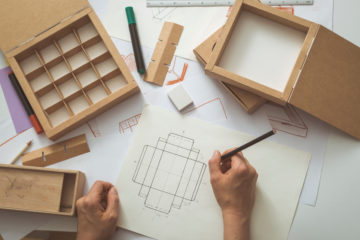
Good design is the biggest factor in the cost and quality of a die cast part. The principles are similar to plastic injection moulding, with a few differences.
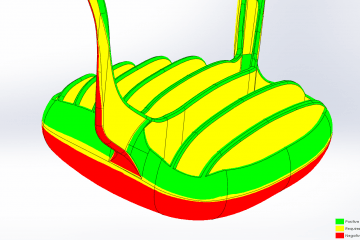
- Keep walls even. Uniform wall thickness helps metal flow and cool evenly, reducing porosity and distortion. Use ribs to add strength instead of thick sections.
- Add draft. Walls need a slight angle so the part releases from the die. Zinc needs less draft than plastic, often well under 1 degree, but it can’t be zero.
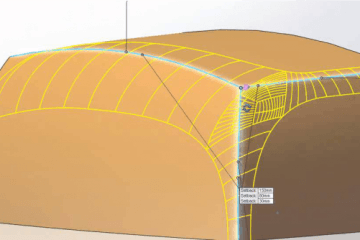
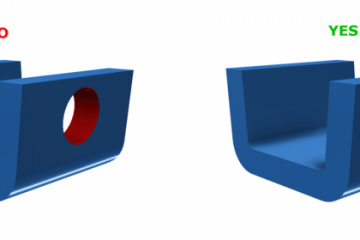
- Round the corners. Fillets and radii improve metal flow and reduce stress points.
- Avoid undercuts where you can. Undercuts need sliding cores in the die, which add tooling cost.
- Plan the finish early. If the part will be plated, design surfaces and edges with plating in mind.
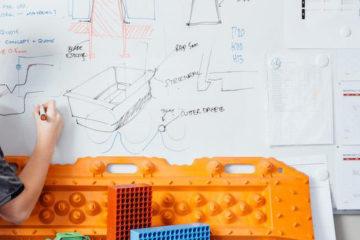
- Talk to the toolmaker early. Involving the tool maker at the design stage avoids expensive tool changes later.
Is zinc die casting right for your product?
Zinc die casting is usually a strong fit if most of these are true:
- Your part is small to medium in size
- It needs metal strength, a quality feel or a plated finish
- It has fine detail or thin walls
- You expect to make thousands of parts or more
- Weight and high operating temperatures aren’t critical
If that sounds like your product, the next step is a design-for-manufacture review. At Dienamics, our Brisbane team designs parts for manufacture and manages tooling and production through our manufacturing and OneSource services, so you have one partner from CAD to finished part.
Zinc die casting FAQs
What does die cast mean?
“Die cast” describes a metal part made by forcing molten metal into a steel mould, called a die, under pressure. A die cast car, for example, is a model whose body was made this way, usually from zinc alloy.
Why is zinc used for die casting?
Zinc has a low melting point and flows very well, so it fills fine details quickly and is gentle on the steel die. That combination gives precise parts, fast cycle times and long tool life.
Is zinc die cast strong?
Yes. Zinc alloys are strong, stiff and resistant to impact, and much stronger than engineering plastics. ZA alloys and Zamak 5 offer higher strength where needed. Zinc is not as strong as steel, and it loses strength at sustained high temperatures.
Does zinc alloy rust?
No. Rust is iron oxide, and zinc alloys contain no iron. Zinc can tarnish or form a white corrosion layer in wet or salty conditions, which is why many parts are plated or coated.
Is zinc alloy safe?
Zinc alloys are widely used in everyday products such as tapware, door handles and zips. As with any material, check the alloy, coating and relevant standards for your application, especially for food contact or products for children.
How long does a zinc die casting tool last?
A well-made zinc die often runs for more than a million shots before major repair. That long life is one reason zinc is cost-effective at high volumes.
Is zinc die casting expensive?
The tooling is the main upfront cost. Once the die is made, each part is fast and cheap to produce. For high volumes, zinc die casting is often one of the lowest-cost ways to make small metal parts.
Subscribe to Our Newsletter
Get the latest news from Dienamics into your inbox