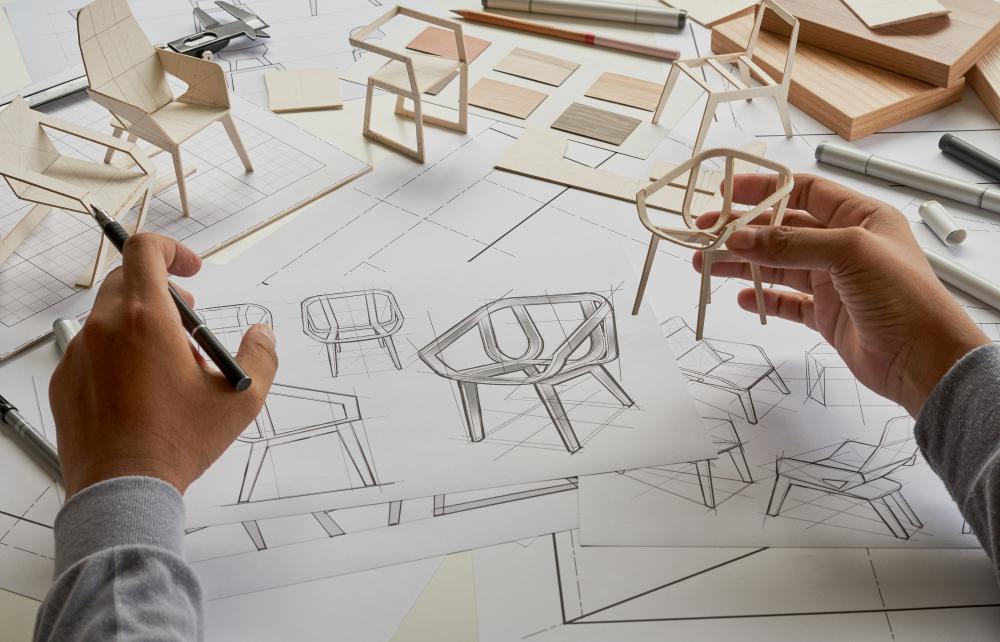
Prototyping is the step between an idea and a product that works. Before you commit to tooling or production, a prototype lets you test form, function, and fit, and catch problems while they’re still cheap to fix.
This guide covers what prototyping involves, the different types you’ll come across, and how a proper prototype fits into the product design and manufacturing process.
So, what is prototyping?
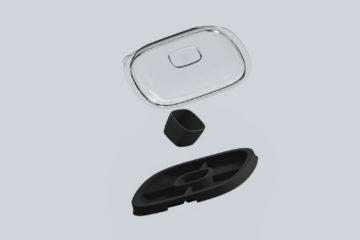
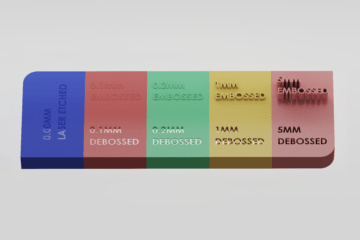
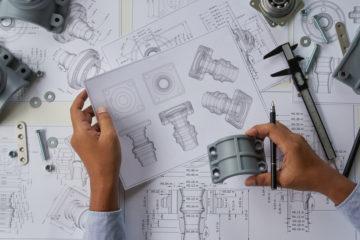
A product design prototype is a simple model of a proposed idea or solution. It is used to test or validate ideas so that refinements can be made.
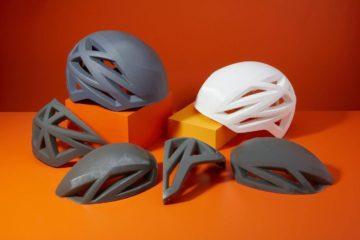
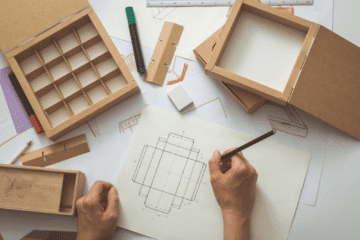
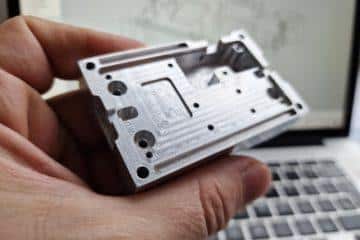
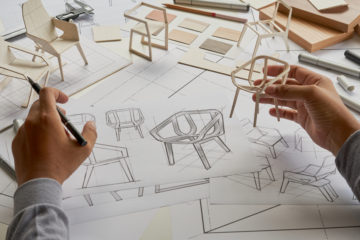
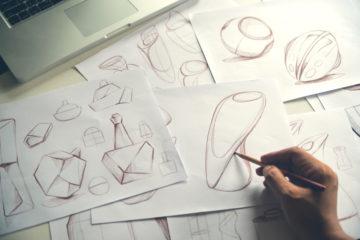
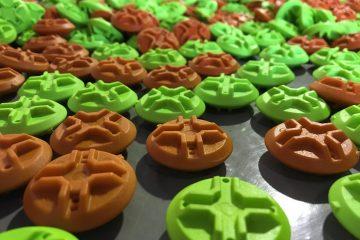
They can range from simple sketches, storyboards, or paper models, to a sophisticated model that closely resembles the product. They can be quick and rough, or fully formed and detailed.
Prototyping can be used at any stage of the design thinking process, from ideation and experimentation to testing.
There are many benefits to prototyping your product. Through prototyping, you can:
- Gain insight into how users will use your product
- Identify any issues or flaws in your design
- Make informed decisions
- Test different versions of your product
- Find ways to improve your product
- Streamline manufacturing
Wondering how to make a prototype for your product? Read on.
The Prototyping Process
Creating product design prototypes can be easy. Here’s a few basic steps to get you started on the prototyping process:
- Define your goals: The first step is to define your goals. Think about what you are trying to achieve or solve with your prototype. Ask yourself why you need a prototype and what its purpose will be.
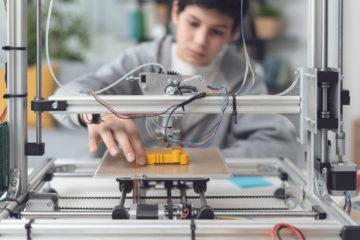
- Build your prototype: Next, design and build a prototype based on the information you have gathered. Think of it as a small-scale working model.
- Test it with your users: Once you’ve made your prototype, you then need to test it with your customers. Observe how they interact with the model and ask for feedback on the experience. This will help you to make informed design decisions to make your product more user-friendly.
- Refine your prototype: Take your customer’s feedback on board and use it to find ways to refine your prototype. You may need to make a new prototype and ask them to try it again. This stage can continue until your customer is satisfied with the end product.
Now that you know a little more about prototyping, it’s time to get started! Follow our tips to make your prototype a success.
Looking to get your product prototyped?
At Dienamics, we have over 30 years of experience in industrial design, tool making and manufacturing in Brisbane. We offer specialised product design prototyping services to help you take your concept from an idea to a reality.
If you think prototyping will help you to develop your product, then give us a call. Talk to our expert team today.
Subscribe to Our Newsletter
Get the latest news from Dienamics into your inbox