Creating a brand behind your product can dramatically influence how well your product sells on the market. Branding is the best way to communicate your brands story, company’s values, and stand out in a market. For product design, we believe applying branding is vital to show off your unique identity and establish customer connection and loyalty. It differentiates you from other competitors which overall draws new customers, increased sales and a stronger market position. Branding can be more than aesthetics as it encompasses everything, from the connection you have to your customers and the company’s grounding values. This blog takes a deep dive into branding how it dictates the design and how it’s perceived, while also answering common questions like what is product design and how to design a product that connects with your audience.
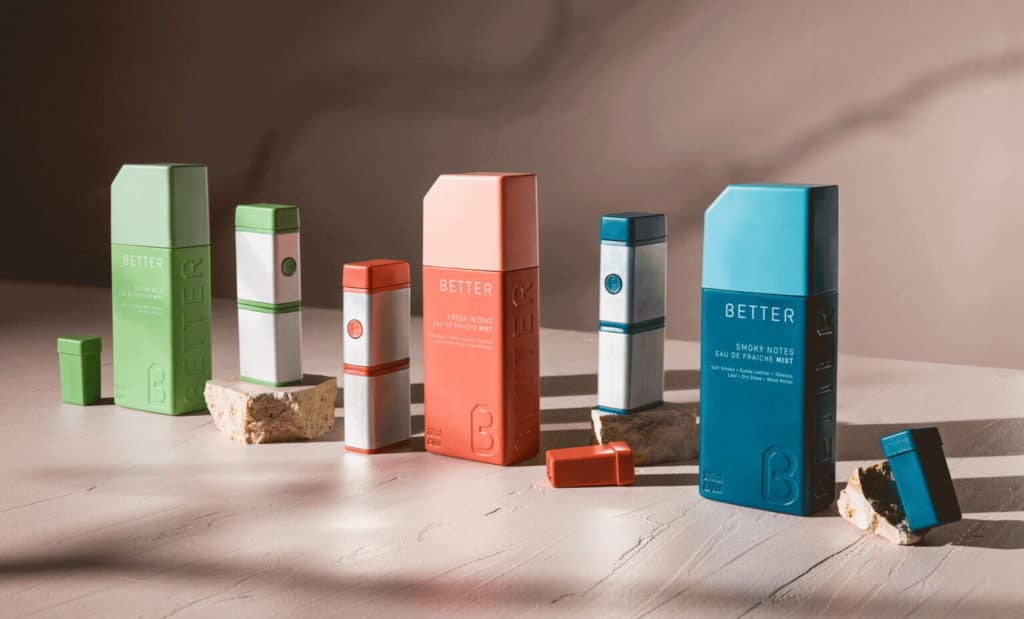
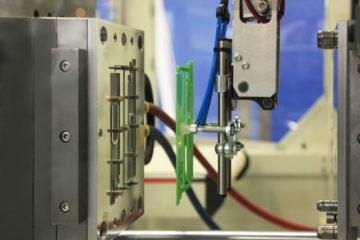
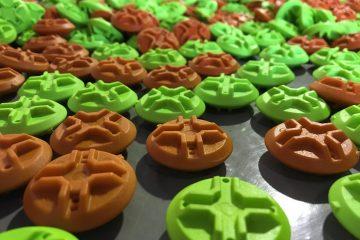
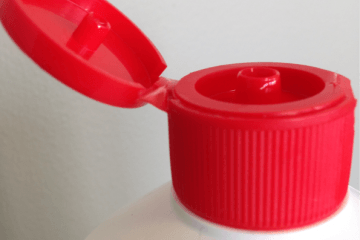
Designing for The Better Brand’s cosmetic range required us to work with the company’s existing design language and ideas for branding. We brought Better Brand’s ideas to life by creating manufacturable injection moulded parts in a bright dual shade colour scheme. The colour of the plastic bottles reflects the contents aroma and formula, whilst the visual elements incorporate through embossing and pad printing provides information about the product.
Branding Dictates the Design
From colour to material, the branding choices can make or break your product
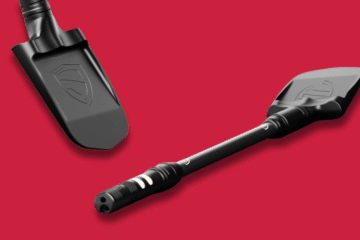
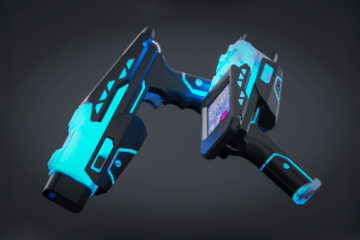
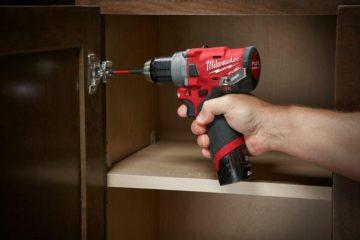
Branding plays a huge role in how the customer first receives your product. First impressions matter…even when it comes to product design. A well-crafted logo, colour palette and material choice can capture attention and convey a brands personality in seconds. According to AMA, up to 90% of snap-judgements made about products are based on colour marketing alone. Unique and consistent visual elements such as logos or graphics make it easy for consumers to recognise your product and choose it. Even simple products that may not be direct consumer products, such as structural plastic parts, can still benefit from subtle branding, whether it’s a simple embossed logo, a colour change, or how an edge is finished, it draws the user’s eye.
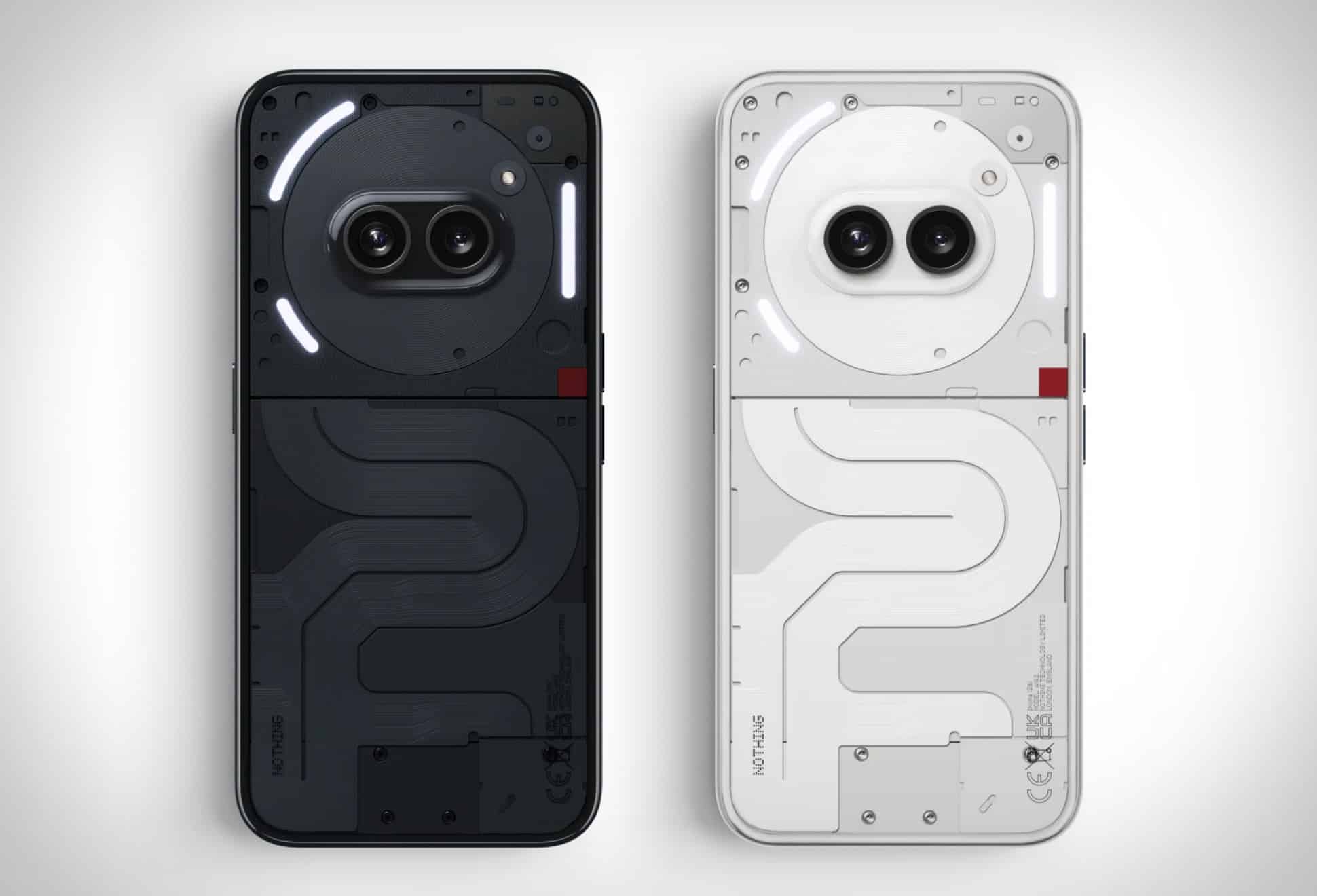
Nothing’s technology pushes the limits of innovative technology. Their unique transparent and simplistic design resonates with customers as it creates a sense of nostalgia and an intuitive experience. By combining a more humane approach to smartphones and giving the customer premium quality at a reasonable price, the tech range became popular very quickly.
The Power of the Logo
The logo is a requirement for brand recognition and trust.
Although the logo isn’t the essence of the brand, it’s the face of it. It serves to tie product lines together when it’s difficult to do so through design language alone. The logo embodies the brand in a single symbol, which can then be applied anywhere for brand recognition, subconsciously developing customer trust. It serves as a foundational visual cue that connects with consumers on an emotional level, influencing their purchasing decisions and fostering trust in the products offered.
Having a cohesive logo applied across products, websites, apps, apparel and marketing material can make your brand instantly recognisable in a packed marketplace, helping you stand out from competitors and remain in consumers’ minds.
A unique recognisable logo on a simple product can easily change how the customer views the quality and reputation of the product. Because in most cases, consumers are often going to reach for brands that they associate with quality and status. In a saturated market where many products look similar, the logo could be the differentiating point, as consumers are willing to pay more for the brand’s reputation, rather than the shirt’s material or manufacturing cost alone. This also highlights how to design a product that not only attracts attention but also builds long-term trust.
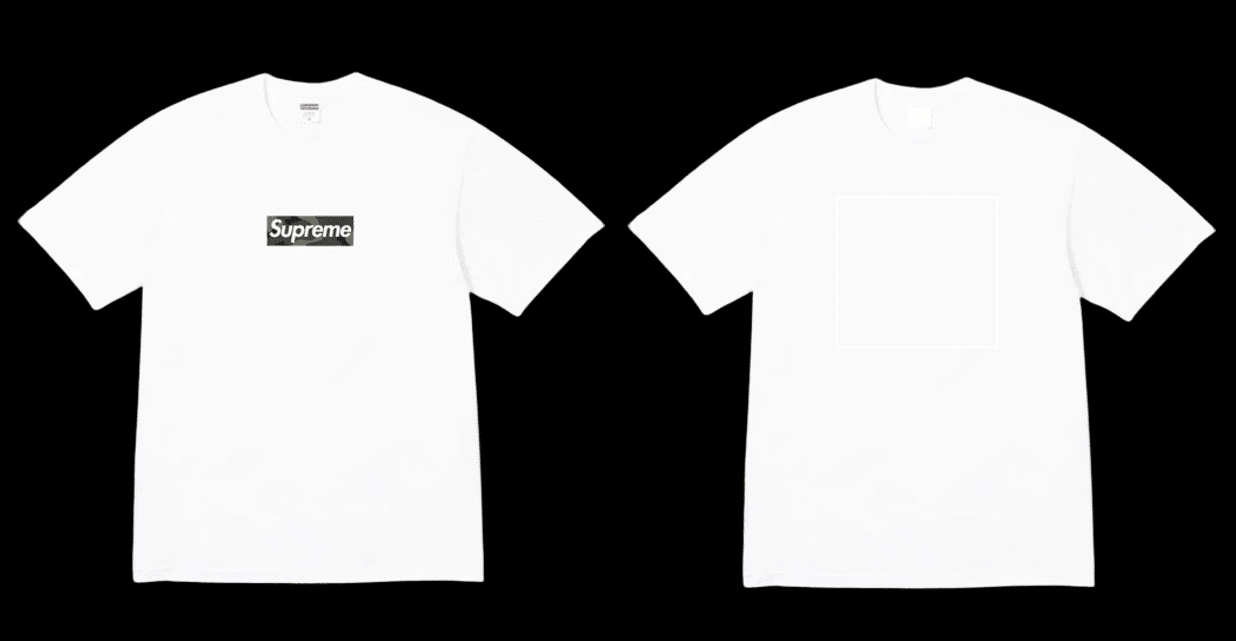
For example, two T- shirts side by side may be made in the exact same factory with the same materials, but one may sell for $10 where the other might sell for $80 if there is a Supreme logo on it.
Importance of Design Language
Design language looks past the logo to embody the brand in every detail
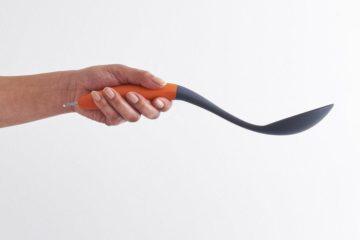
An identifiable brand logo is necessary, but proper design language is just as important. The design language embodies the brand’s identity and embodies it through to every part and detail. If a designer’s done their job, you’ll be able to look at just small isolated part of the product, and tell what brand the product is from. From how an edge is finished, to the materials, textures and colours used, to the flatness or curve of the form, to the overall proportions of the product and use of blank, or cluttered space … The design language encapsulates the essence of the brand and proclaims that essence in the physical embodiment of the product.
As an Industrial design company, we consider all these factors to develop or apply our customers’ design language, which is unique for every brand. Our designers look to develop visual and tactile elements to create a style for the product and its future product range, right from the start. The process includes user research, market research, sketching concepts to explore a range of forms and styles, using CAD models to get proportions right, and creating prototypes to ensure the overall product solves its target problem for the user, and communicates your brand’s personality. The entire approach reflects how to design a product and get it made, moving from early concepts through to finished designs.
Apple’s Human Interface Guidelines (HIG) prioritise a refined, elegant, and intuitive experience, focusing on clear, purposeful elements and natural motion within a unified system. In contrast, Google’s Material Design, particularly Material You, emphasises bold expression, user personalisation, modular flexibility, and dynamic animations that add depth and personality. While Apple’s approach aims for calm immersion and inherent functionality, Google’s design philosophy seeks to create expressive interfaces that adapt to individual preferences while maintaining structural coherence. (Image source: Simple Alpaca on Youtube)
Designing for your target market
Identifying your user group and designing for them
Once you have a product design that solves a primary problem for your customer, then you’re ready to make your idea a marketable product. Industrial designers focus on how to design and manufacture a product to solve the problem, and fit the market while staying true to the brand.Strong visual branding is the logical next design step to designing for your target market, so that it grabs their unique attention. To do so, you must ask: Who is this product for? Why are they using my product? Where are they using my product? This makes it a lot easier to find an aesthetic style that aligns with both your target user and your values as a company/individual. For example, designing sports equipment for children versus designing sports equipment for adults are completely different areas of design, each requiring specific design considerations. Good branding makes marketing the product more effective, as company marketing campaigns are generally more cohesive when the product is clearly visually aligned with the brand. 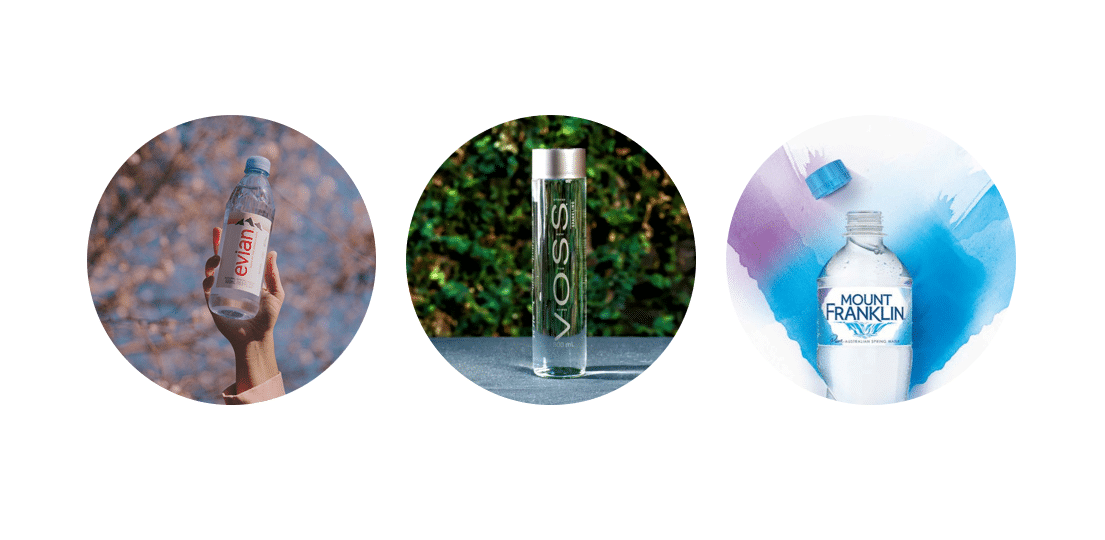
Packaging can even influence the luxury and feel of a product. The marketing of water packaging targets specific demographics through material, graphics and marketing media. Evian uses soft pastels, flowing typography, and imagery of the French Alps which feels premium, fresh, and European. Mount Franklin uses clean whites, blues, and simple fonts that feels accessible, every day, and Australian. Voss uses a minimalist glass cylindrical bottle and a monochrome logo creating a high-end, modern and luxurious feel.
How we apply branding at Dienamics
How Industrial designers understand your brand and apply design language
- We work to understand your audience: by understanding who your customers are or the target market you aim to design for, we can better determine visual ways to design your product so it resonates with your audience.
- We work to understand you : by looking into the narrative behind your brand, whether that’s getting to know you, discovering your website or looking at some of your other products, we want to understand your product & company’s unique identity
- We research the market: We cross check the market and the competitive landscape your product will be entering. This also helps to design new ways and develop ideas on how your product can differentiate itself from the other products on the market
- We explore visual identity and the overall aesthetic:
- By positioning your logo on prominent touchpoints, ensuring it’s at the forefront of the design
- Selecting a colour scheme is very important for reflecting the brand and aligning with other factors, such as drawing desired emotions and the certain user group. For example, bright playful colours appeal to children.
- Typography if required for instructional labelling, information or company names, should be a font that suits your brands style
- Materials and finishes are important to convey feel and tone when the user interacts with the product. Examples include fluid lines that travel along parts, curved and soft edges to comfortably hold, we can do texture changes that can visually show logos
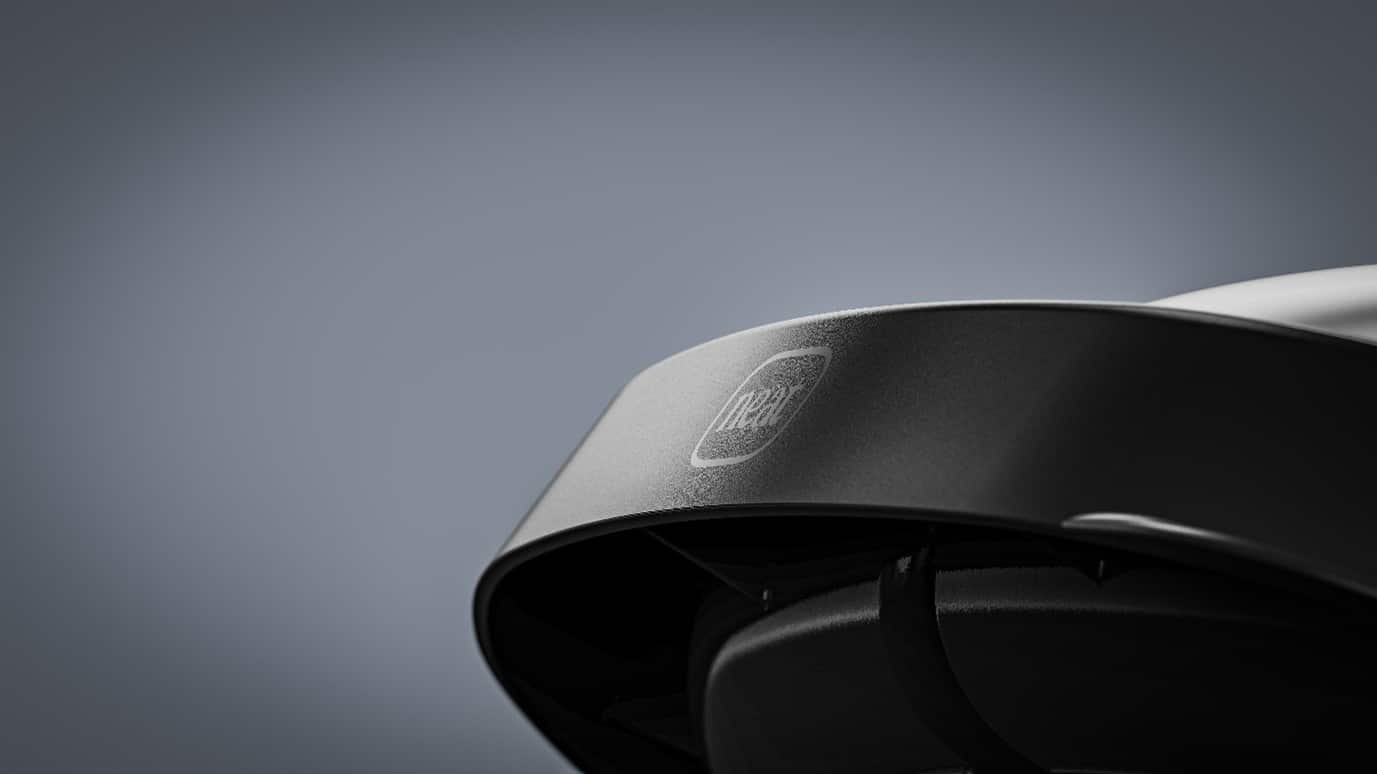
Serve Neat’s Serving Platter is a clean and modern design that utilised subtle branding with a surface finish logo on the tray. We create a texture change by polishing the shape of your logo for a clean, seamless logo application. This often offers a sleek, subtle graphic placement that ensures your product can be traced back to your brand, without detracting from its overall look and feel.
Conclusion
In essence, branding guides the product development, it reinforces the brand’s identity visually. As designers, branding guides our process, we’re always thinking of new ideas to improve the design and shape how people perceive your product. For businesses exploring how to design a new product, the key is to combine research, creativity, and branding into every stage of development.
If you’re interested in a more in depth blog on ways to incorporate branding into your product, see our blog on branding methods here.
At Dienamics, our award-winning team offers a range of comprehensive services in every step of the product manufacturing process. These include:
- Product design, including concept assessment and project scoping
- Prototyping and process and materials testing
- Manufacturing, injection moulding, production, assembly, and packaging
Contact us today if you have a product you’re looking to get designed and manufactured!
Subscribe to Our Newsletter
Get the latest news from Dienamics into your inbox