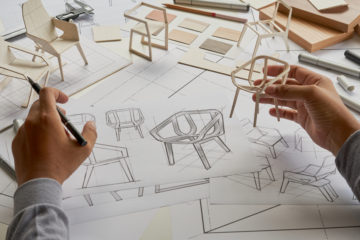
When it comes to developing a new product, prototyping is one of the most important steps you can take. It’s how you test your assumptions, catch design problems early, and build confidence in your concept before committing to full-scale manufacturing.
The challenge is that traditional prototyping methods can be slow, expensive, and labour-intensive. That’s exactly where 3D print prototyping changes the game.
At Dienamics, we use 3D print prototyping to help our clients move faster, spend smarter, and get better results from the development process. Here’s why it’s become one of the most valuable tools in modern product development.
What Is 3D Print Prototyping?
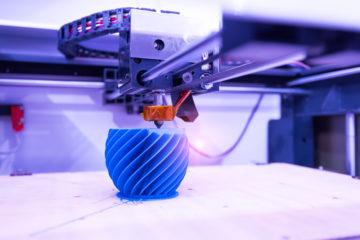
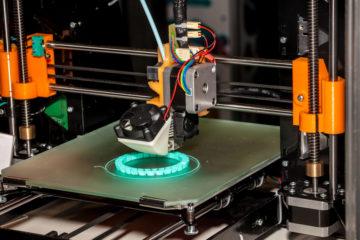
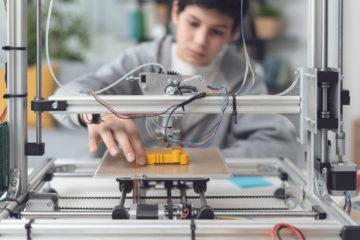
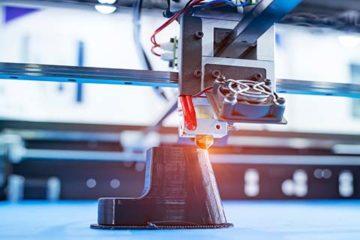
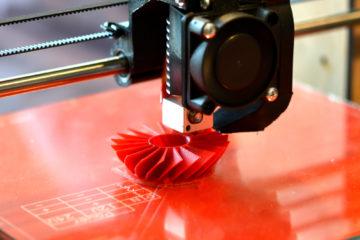
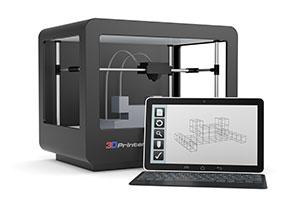
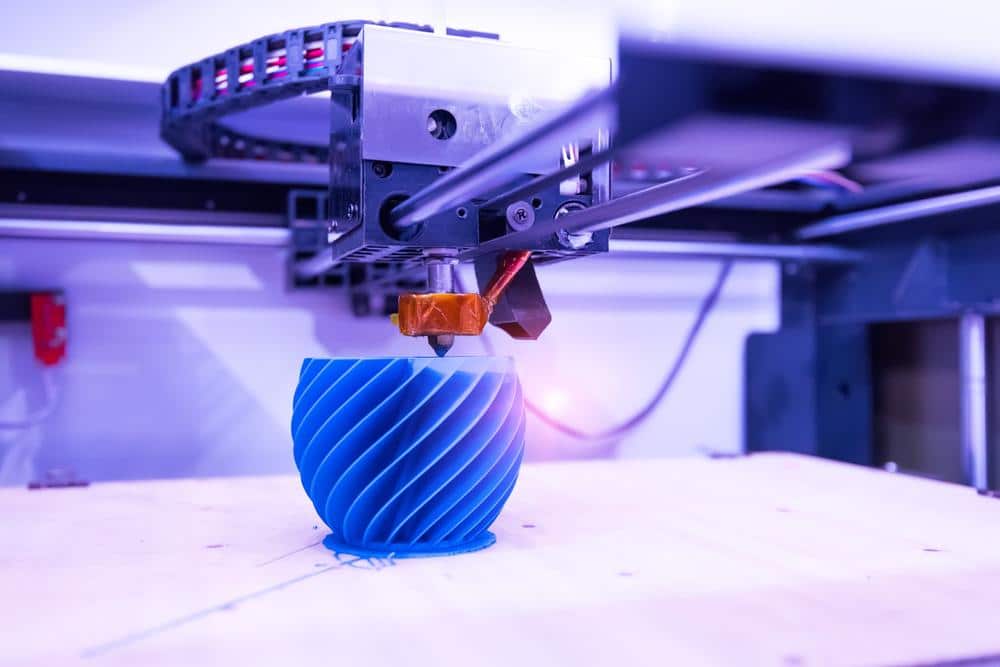
3D print prototyping combines the speed of rapid prototyping with the precision and accessibility of 3D printing technology. Using a CAD file of your design, a 3D printer builds your prototype layer by layer, producing a physical model that can be tested, evaluated, and refined.
The result is a tangible representation of your product that you can hold, assess, and make decisions from, without the time and cost associated with traditional manufacturing methods.
The Advantages of 3D Print Prototyping
Fast Turnaround Times
One of the biggest advantages of 3D print prototyping is speed. At Dienamics, we can typically deliver a 3D printed prototype in less than a week, provided you have a CAD model ready to go. For more complex or highly aesthetic models, turnaround is generally around two weeks.
That speed matters more than it might seem. The faster you have a physical prototype in hand, the faster you can test it, identify issues, and move into the next iteration. In product development, time is one of your most valuable resources, and 3D printing gives you more of it to spend on refinement rather than waiting.
Lower Costs
Because 3D print prototyping is faster and requires fewer resources than traditional methods, it tends to cost significantly less. There’s no need for multiple machines, complex tooling setups, or large teams to produce a single prototype. The process is largely automated once your CAD file is ready, which reduces both labour and machine costs.
This makes it far more practical to run multiple iterations of a design. Rather than committing to one prototype and hoping it’s right, you can test, refine, and retest without blowing your development budget.
Seamless CAD Integration
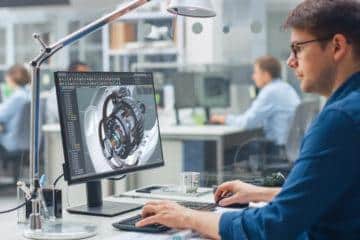
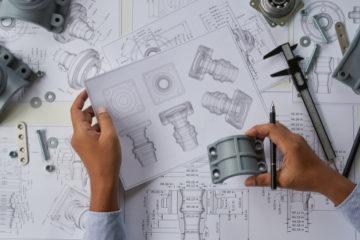
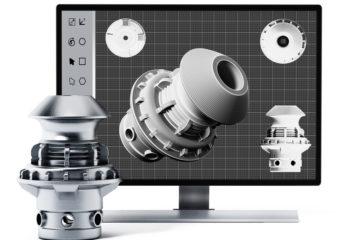
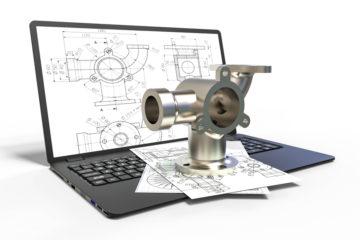
3D print prototyping fits naturally into a modern product design workflow. If your design exists as a CAD file, you can go directly from screen to physical prototype without the manual programming, setup, or toolpath creation required by traditional subtractive methods like CNC machining.
This streamlined process eliminates a significant amount of friction from the prototyping stage. It means fewer handoffs, less room for error in translation, and a much shorter path from design decision to physical result.
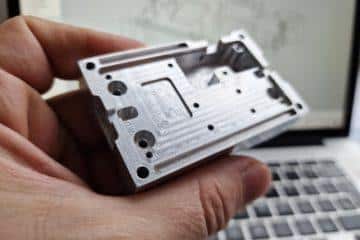
It’s worth noting that 3D printing isn’t always the right choice over CNC machining. Each process has its strengths depending on the material, geometry, and purpose of the prototype. But for early-stage concept validation and iterative testing, 3D printing is hard to beat for speed and accessibility.
Wide Range of Materials
One of the less obvious advantages of 3D print prototyping is the material flexibility it offers. Depending on what you need to test, whether that’s structural integrity, flexibility, appearance, or fit, there’s likely a material suited to the job.
At Dienamics, we work with a range of materials including:
- ABS: durable and impact-resistant, great for functional testing
- ASA: similar to ABS but with better UV resistance
- PC (Polycarbonate): high strength and temperature resistance
- PC-ABS: a blend offering the best of both materials
- PLA: easy to print and ideal for visual models
- PETG: strong, flexible, and food-safe
- Nylon: excellent for wear resistance and mechanical parts
- TPU: flexible and rubber-like, suited to parts that need to bend or compress
Having access to this range means your prototype can closely mimic the properties of the intended production material, making your testing results far more meaningful.
Run Tests Easily
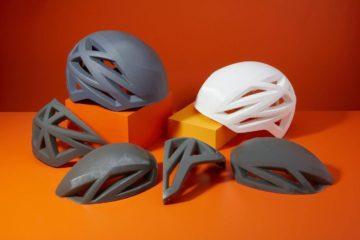
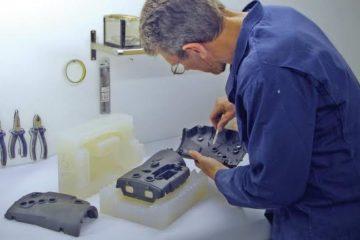
3D printed prototypes can be mechanically functional, purely aesthetic, or somewhere in between, depending on what you need from a given round of testing. This flexibility means you can gather real feedback from stakeholders, end users, or your own engineering team at almost any point in the development process.
Getting a physical prototype in front of real users early is one of the most effective ways to identify issues that simply don’t show up on screen. It also makes it much easier to communicate your product vision to investors, retail buyers, or manufacturing partners.
Ready to Prototype Your Product?
If you’ve got a concept that’s ready to be tested, 3D print prototyping is one of the smartest investments you can make in your product’s development. At Dienamics, our Brisbane-based team can take your CAD file and turn it into a physical prototype quickly, cost-effectively, and with the material properties your testing requires.
Get in touch with our team to find out how we can help you move from concept to prototype, fast.
Subscribe to Our Newsletter
Get the latest news from Dienamics into your inbox